Fatigue is common after a busy day, poor sleep, stress, or physical activity. However, persistent or unexplained fatigue may sometimes indicate an underlying health condition. If tiredness continues despite adequate rest, it may be worth discussing with a healthcare professional.
In some cases, fatigue can be associated with blood-related conditions such as anemia, iron deficiency, vitamin deficiencies, blood disorders, or certain hematological conditions. Other symptoms, including weakness, dizziness, shortness of breath, pale skin, frequent infections, unexplained weight changes, or unusual bleeding, may provide additional clues.
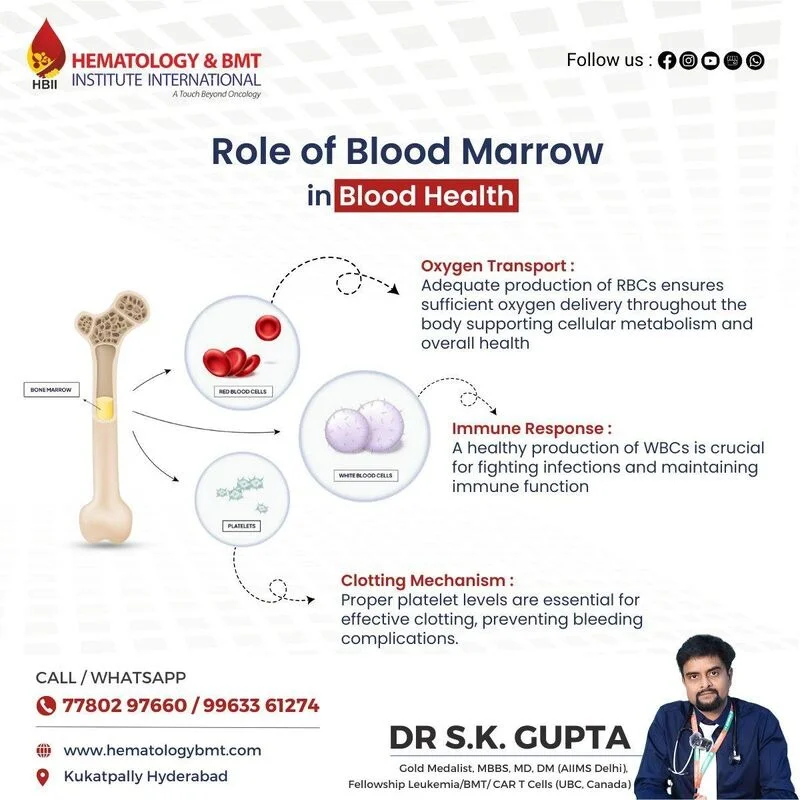
A hematologist can evaluate persistent fatigue by reviewing your medical history and recommending appropriate blood tests when necessary. These may help identify changes in hemoglobin, red blood cells, white blood cells, platelets, or other blood parameters.
Fatigue does not always mean that a serious condition is present, but persistent symptoms should not be ignored. If you have ongoing tiredness without an obvious explanation, consider speaking with a qualified healthcare professional for proper evaluation and guidance.