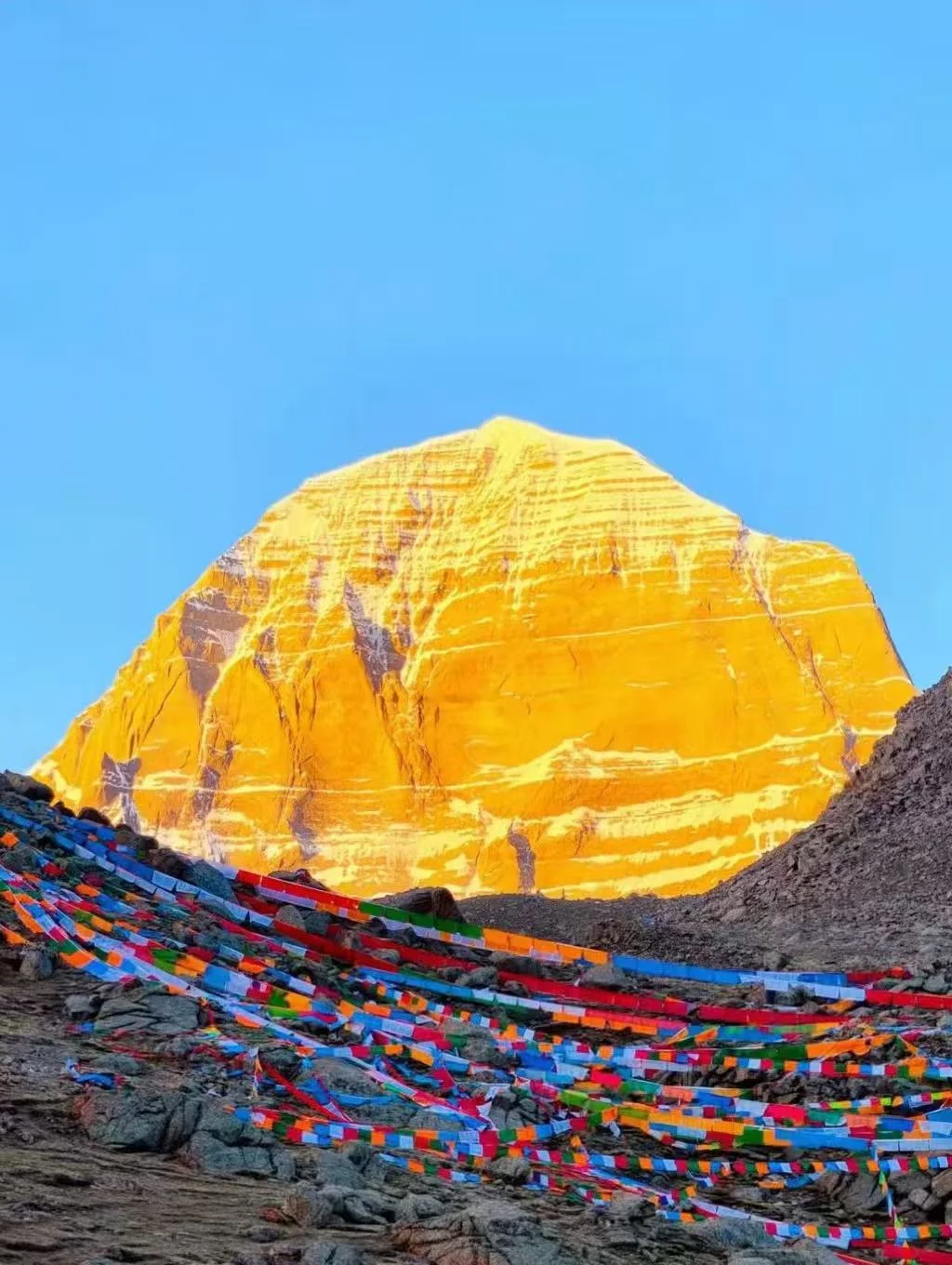
Tibet has always been a dream destination for many. Its high altitude, snow-capped mountains, lakes, monasteries, and long highways set it apart from other travel destinations. However, for first-time visitors, without proper preparation, things might not turn out as expected.
If you're planning a trip to Tibet, consider the following:
1. Determine when to go.
Tibet's scenery varies significantly with the seasons.
Spring is still relatively cold, but there are fewer tourists. Summer is the peak tourist season, with relatively stable weather, and beautiful scenery at places like Namtso and Yamdrok Lake. Autumn is usually sunny, perfect for viewing snow-capped mountains and taking photos. Winter has fewer tourists, but some high-altitude areas can be quite cold.
If it's your first time in Tibet and you want a more relaxed trip, it's generally best to prioritize seasons with more stable weather.
2. Don't overschedule your itinerary.
Cities and attractions in Tibet are far apart, and many places are at high altitudes.
For your first trip, consider spending two or three days in Lhasa to allow your body to acclimatize. The Potala Palace, Jokhang Temple, Barkhor Street, and Norbulingka are all places you can visit at your leisure.
After acclimatizing to Lhasa, consider going to more distant places like Shigatse, Namtso Lake, Everest Base Camp, or Ngari.
Especially for high-altitude areas like Everest and Mount Kailash, it's not advisable to cram your days into a tight schedule just to save a day or two.
III. Understand Tibet Travel Documents in Advance
For foreign tourists, traveling to Tibet isn't like domestic travel where you simply buy tickets and depart.
Foreign tourists need to obtain a Tibet Travel Permit in advance, and usually, the necessary procedures are handled through a qualified local travel agency.
Therefore, before confirming flights and hotels, it's best to confirm your travel itinerary and the required documents.
If you plan to visit areas like Everest, Ngari, or Mount Kailash, other permits may be required. Processing times vary depending on the route, so it's best to plan ahead.
IV. Don't Pack Overly Extravagant Clothing
Many people think they need to bring a lot of very thick clothing when going to Tibet for the first time.
In fact, the most convenient method is to use the "onion layering" method.
Wear a sweat-absorbing inner layer, add a fleece or thermal layer in the middle, and then prepare a windproof jacket on top. This way, you can add or remove layers as needed depending on the weather.
If you plan to go to high-altitude areas such as Mount Everest, Namtso Lake, or Ali, warm clothing is still very important, especially since temperatures can drop significantly in the mornings and evenings.
V. Sun Protection is More Important Than You Think
The sun in Tibet is quite strong, so even if the weather looks comfortable, you can't neglect sun protection.
Sunglasses, sunscreen, hats, and lip balm are all very useful. For first-timers to high altitudes, it's often not the temperature that's too high, but the sun and UV rays that make people feel uncomfortable.
VI. It's Best to Plan Transportation and Accommodation in Advance
Tibet has a distinct peak tourist season.
If you plan to go during peak season, it's best to confirm train tickets, plane tickets, and accommodation in advance. Especially if you're going to more remote areas like Mount Everest, Ali, or Mount Kailash, you can't just consider the travel time from one attraction to another; you also need to consider road conditions, weather, and the high-altitude environment.
For foreign tourists, transportation, accommodation, guides, and permits usually need to be planned as a whole. Finding a travel agency familiar with the local area in advance is much more convenient than making arrangements after arriving in Tibet.
For example, some local travel agencies can help tourists plan routes from Lhasa to Mount Everest, Mount Kailash pilgrimage, and Tibetan train travel. For specific route information, you can refer to the Tibet travel information provided by Great Tibet Tour.
VII. For your first trip to Tibet, don't necessarily aim to "see as much as possible."
Tibet is vast, and it's difficult to see everything in one trip.
Instead of spending ten days or so rushing to many places, choose a route that truly interests you.
If you like history and culture, allocate more time to Lhasa and Shigatse; if you prefer natural scenery, consider Namtso Lake and Mount Everest; if you prefer snow-capped mountains and pilgrimage trips, you can further explore Mount Kailash and the Ngari region.
After your trip, you might find that what you truly remember isn't the number of attractions you visited in a day, but the snow-capped mountains, lakes, and sunsets on the plateau seen along the way.
So, if you're planning your first trip to Tibet, prepare in advance, but don't fill every day with activities. Leaving some time for the journey itself might actually lead to a better experience.